
Uncategorized
King Seiko – The Rival That Shaped Japanese Watchmaking
Aug
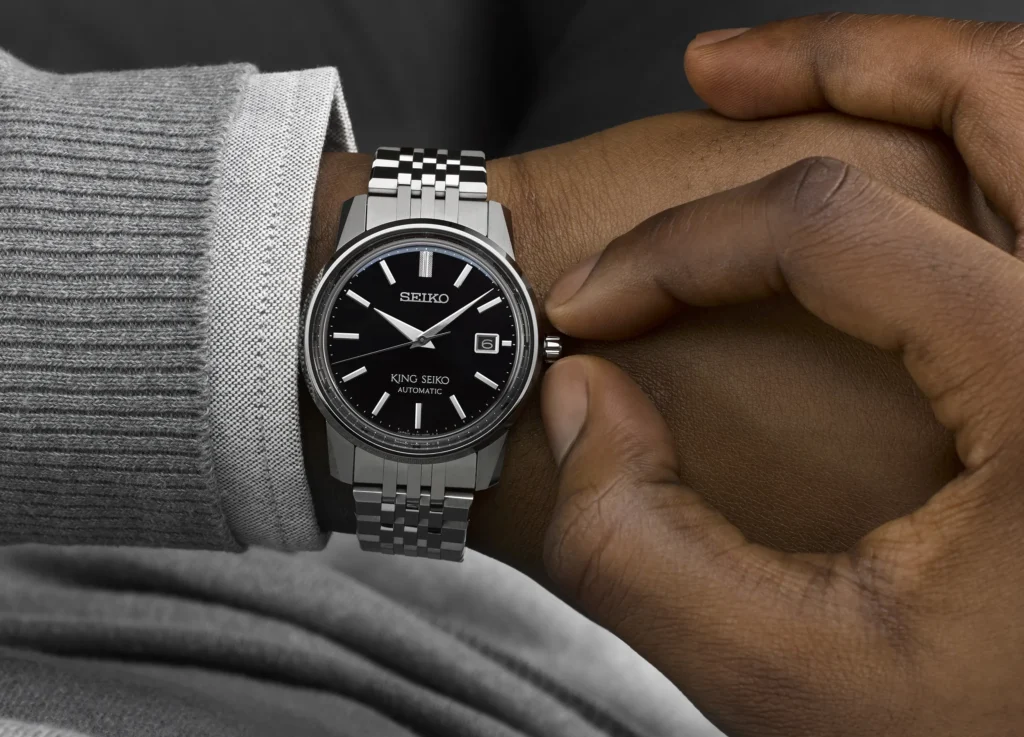
When people think of Japanese watchmaking, Grand Seiko usually steals the spotlight. But here’s the twist: its greatest rival wasn’t Swiss. It was right at home, just across town. Enter King Seiko — the other half of Seiko’s golden era, and a line that still gets collectors talking today.
Two factories, one mission
In the 1960s, Seiko had two internal divisions competing to build the best watches: Suwa (home of Grand Seiko) and Daini (home of King Seiko). It wasn’t just friendly competition — it was intense. The result? Some of the most precise and beautifully made Japanese watches of the time.
A vintage King Seiko doesn’t scream luxury the way some Swiss pieces do. Instead, it whispers refinement. Sharp case lines, clean dials, and a focus on accuracy above all. While Grand Seiko often leaned slightly dressier, King Seiko carved out a space as the elegant rival that collectors still admire.
The famous references
Among collectors, certain references have become icons:
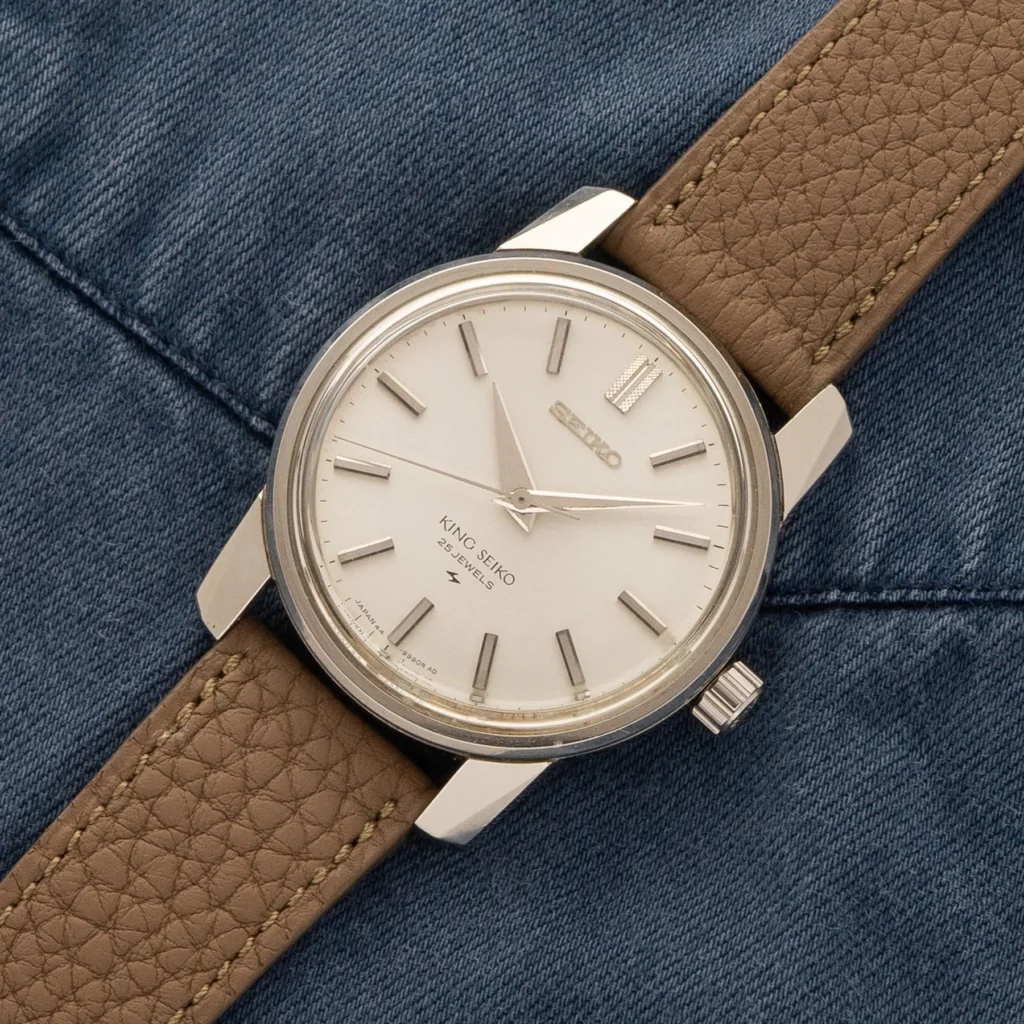
- King Seiko 44KS – A cornerstone model from the 1960s. When you hear about King Seiko 44-9990 or the King Seiko 4420-9990, you’re looking at watches that defined the brand’s sharp, angular design.
- King Seiko 45-7001 – Slimmer, high-beat, and incredibly precise. You’ll also find it listed as 45-7001 King Seiko or simply King Seiko 45 7001. This reference pushed the line into true chronometer territory.
- King Seiko 45-7010 – Another standout, often praised for its clean design and reliability.
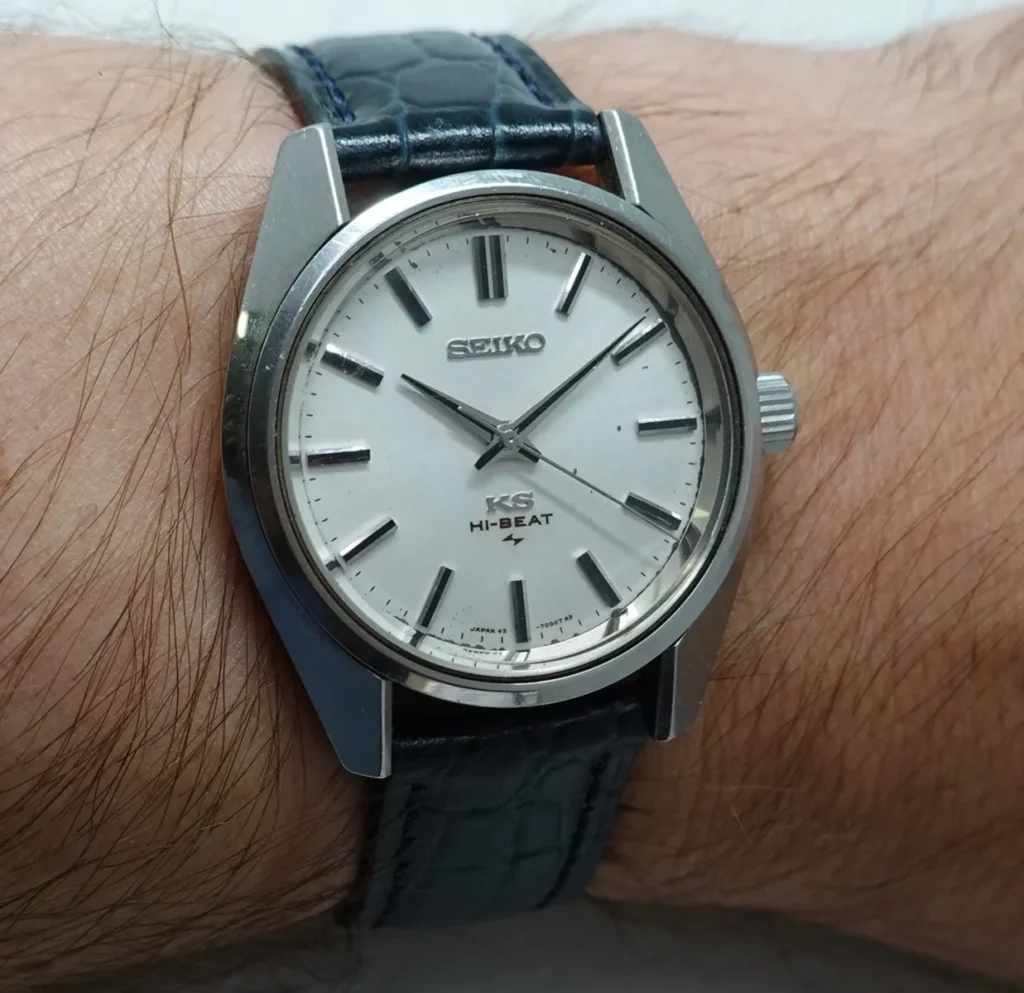
Holding one of these references in your hand is a reminder of just how serious the Daini factory was about proving itself.
Lord Marvel and the high-beat revolution
No story of King Seiko is complete without mentioning the Seiko Lord Marvel. First released in the 1950s, the line evolved into the famous Seiko Lord Marvel 36000, which introduced high-beat movements to Seiko’s arsenal. This innovation spilled directly into King Seiko’s later models, giving them the edge they needed in chronometer competitions.
The Lord Marvel may not carry the “King” name, but it’s part of the same DNA — pushing boundaries, chasing precision, and helping Seiko show the world what Japan could do.
Why King Seiko still matters
For collectors today, a King Seiko vintage piece offers incredible value. They’re less expensive than vintage Grand Seiko, but they carry the same level of craftsmanship and history. And because King Seiko was essentially discontinued, every piece feels like a slice of watchmaking history frozen in time.
I’ve seen more than a few collectors say their first serious Japanese watch wasn’t a Grand Seiko — it was a King Seiko for sale at a local auction or a well-kept 45-7001 found online. Once on the wrist, these watches prove they don’t live in Grand Seiko’s shadow. They stand proudly on their own.
Final thought
King Seiko represents something rare: a brand born out of rivalry that pushed both sides to greatness. Without it, Grand Seiko might never have reached the level it did. And today, owning a vintage King Seiko is like owning the underdog that refused to be ignored.
For anyone exploring Japanese vintage watches, King Seiko isn’t just an alternative to Grand Seiko — it’s a legend in its own right.
Home · Shop · Blog · About · Contact
Vintage Seiko · Vintage Grand Seiko · Vintage King Seiko