
Uncategorized
The Most Collectible Vintage King Seiko Models
Apr
The Most Collectible Vintage King Seiko Models
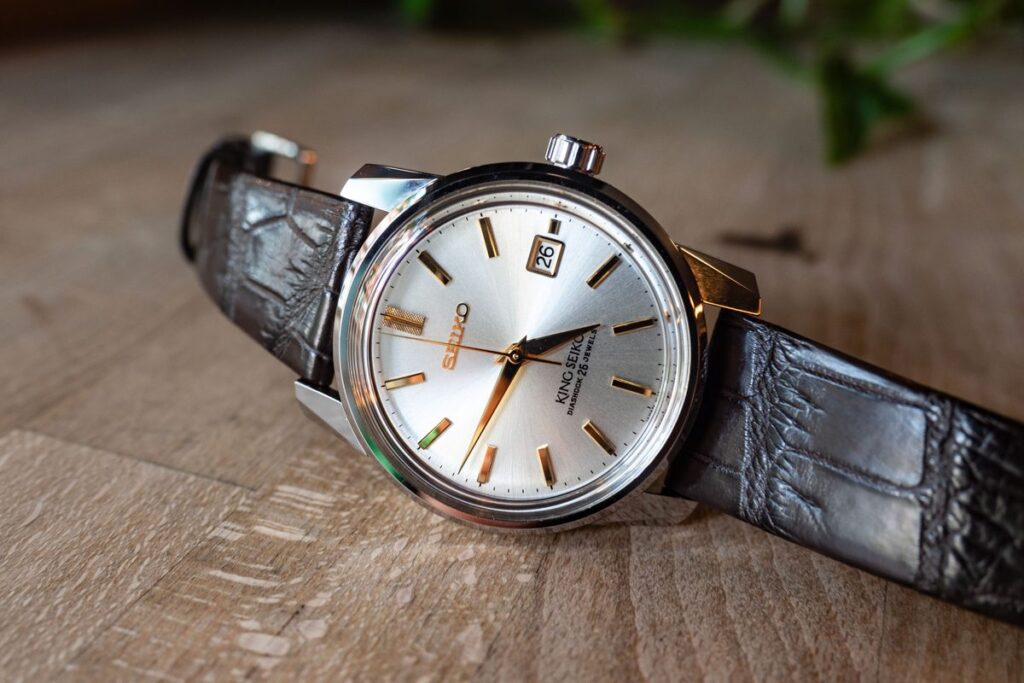
King Seiko held its own against Grand Seiko for nearly two decades. Born from an internal rivalry between Seiko’s Suwa and Daini factories, these references carry a pedigree that auction houses and private collectors now chase with real intensity. This guide maps the models worth your attention — and your money.

The grand seiko grammar of design gets all the magazine coverage. Sharp edges, flat surfaces, distortion-free dials — that visual language defined a generation. But King Seiko built its own identity through different channels: thinner cases, dressier proportions, and calibers tuned for daily accuracy rather than chronometer certification. The fact that King Seiko references from the 1960s and 1970s now trade between $800 and $5,000 tells you something important about where collector sentiment is heading.
I’ve handled dozens of these over thirty years of buying, selling, and wearing Japanese vintage. Some King Seiko models have doubled in value since 2019. Others remain oddly affordable. Knowing which is which — that’s what separates a smart buy from a display-case decoration.
The Factory Rivalry That Built King Seiko
Seiko’s Suwa factory produced Grand Seiko. The Daini Seikosha factory in Tokyo produced King Seiko. Both competed for internal supremacy throughout the 1960s, and that competition pushed both product lines to extraordinary levels of finishing and movement accuracy. King Seiko was never the “lesser” brand — it was the rival brand, built by engineers who wanted to prove their factory could stand on equal footing.
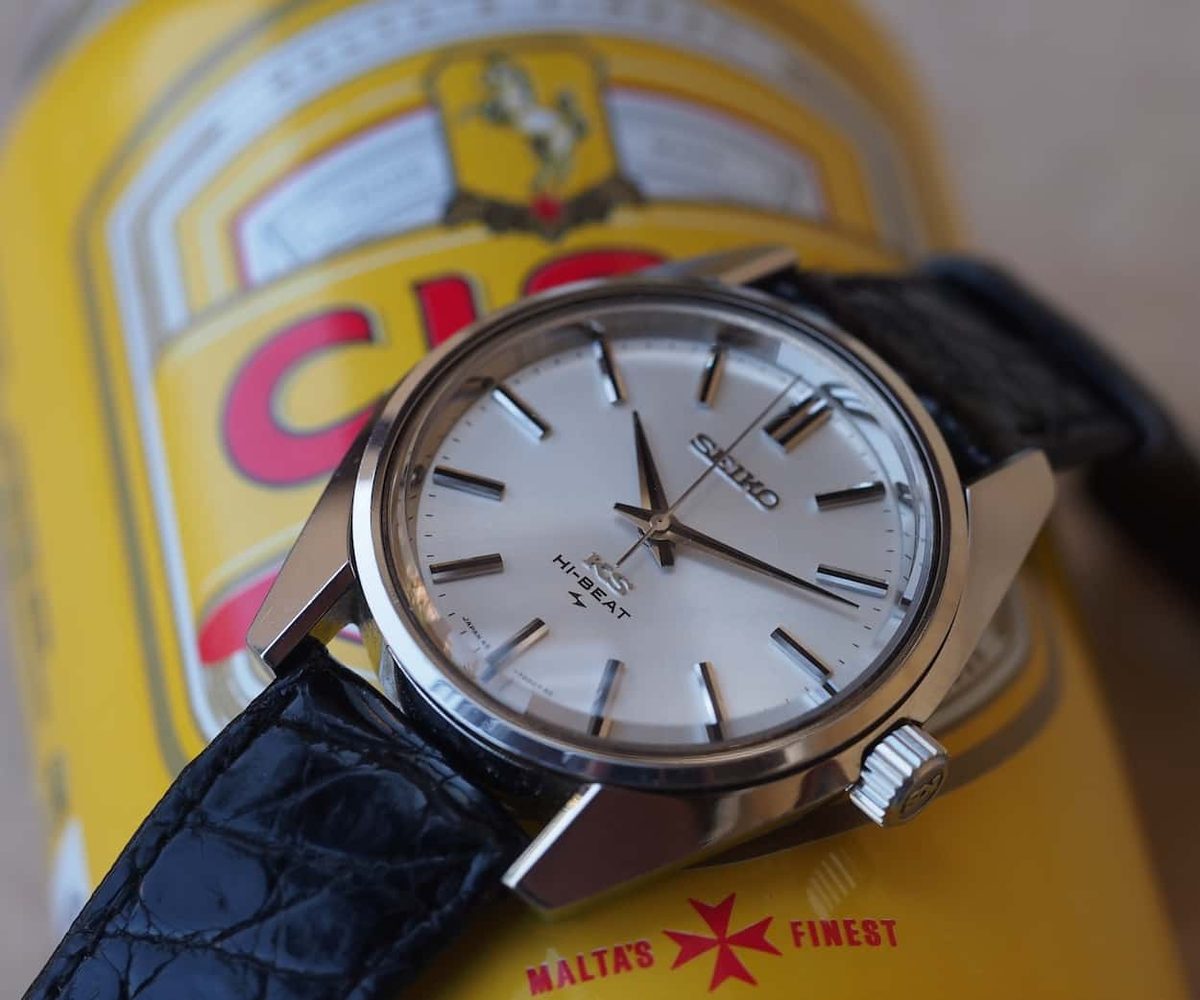
The 44-series calibers from Daini remain some of the finest hand-wound movements Japan has produced. The 44999 caliber, with 25 jewels and a 36,000 bph beat rate, achieved chronometer-grade accuracy in an era when Swiss manufacturers still dominated that conversation. These movements were hand-assembled, hand-adjusted, and tested in five positions before leaving the factory floor.
What makes this history collectible? Provenance. Every King Seiko carries the DNA of a factory that refused to accept second place. That stubbornness produced watches that rival — and sometimes exceed — their Grand Seiko contemporaries in both finishing quality and mechanical performance. The grand seiko grammar of design may have gotten more press in recent years, but King Seiko’s design principles were equally considered, equally intentional.
Read more vintage watch stories on our blog
The Top Collectible King Seiko References
Not all King Seiko models command the same premiums. The market has sorted itself over the past five years, and the hierarchy is now fairly clear. Here are the references that matter most to serious collectors — and the reasons behind their valuations.
The 44-9990 “KS Special”
The 44-9990 is the grail piece. Produced between 1963 and 1969 with the hi-beat 4490 caliber, this reference represents King Seiko at its absolute peak. Case finishing approaches the level you’d find on a contemporary Calatrava. The dial printing is sharp enough to study under magnification, and the applied indices show zero-tolerance standards that modern mass production rarely matches.
Clean examples with original dials — no refinishing, no aftermarket hands — sell between $2,500 and $5,000 depending on condition. Five years ago, $1,200 bought a decent one. That window has tightened considerably.
The 45-7001 “Second King Seiko”
This reference introduced the 45-series automatic caliber to the King Seiko line. Thicker than the hand-wound models, with a case shape that separates it visually from everything else in the lineup. The 4500A movement runs at 28,800 bph with a power reserve of approximately 43 hours — respectable figures even by today’s standards.
Collectors like this one for its wearability. At 36.5mm without crown, it sits comfortably on modern wrists without feeling like a period costume. Market value sits between $600 and $1,500 for original-condition pieces.
The 56-9000 Vanac Series
The Vanac references from the early 1970s represent King Seiko’s most adventurous design period. Faceted cases, unusual dial textures, and a bold use of color distinguish these from the more conservative earlier references. The 5626A automatic caliber with day-date complication makes them practical daily wearers, and the design language speaks to an era of Japanese creative confidence that followed the quartz revolution.
Market prices for Vanac models range from $400 to $900, making them the most accessible entry point into serious King Seiko collecting. The blue-dial variants are the exception — those command premiums up to $1,800 due to their scarcity and visual impact.
Collector’s Tip: The 44-9990 with the “Superior Chronometer” notation on the dial commands a 40–60% premium over standard KS Special dials. Fewer than 200 are believed to survive with original dials in collectible condition.
Dial Variations That Drive Premiums
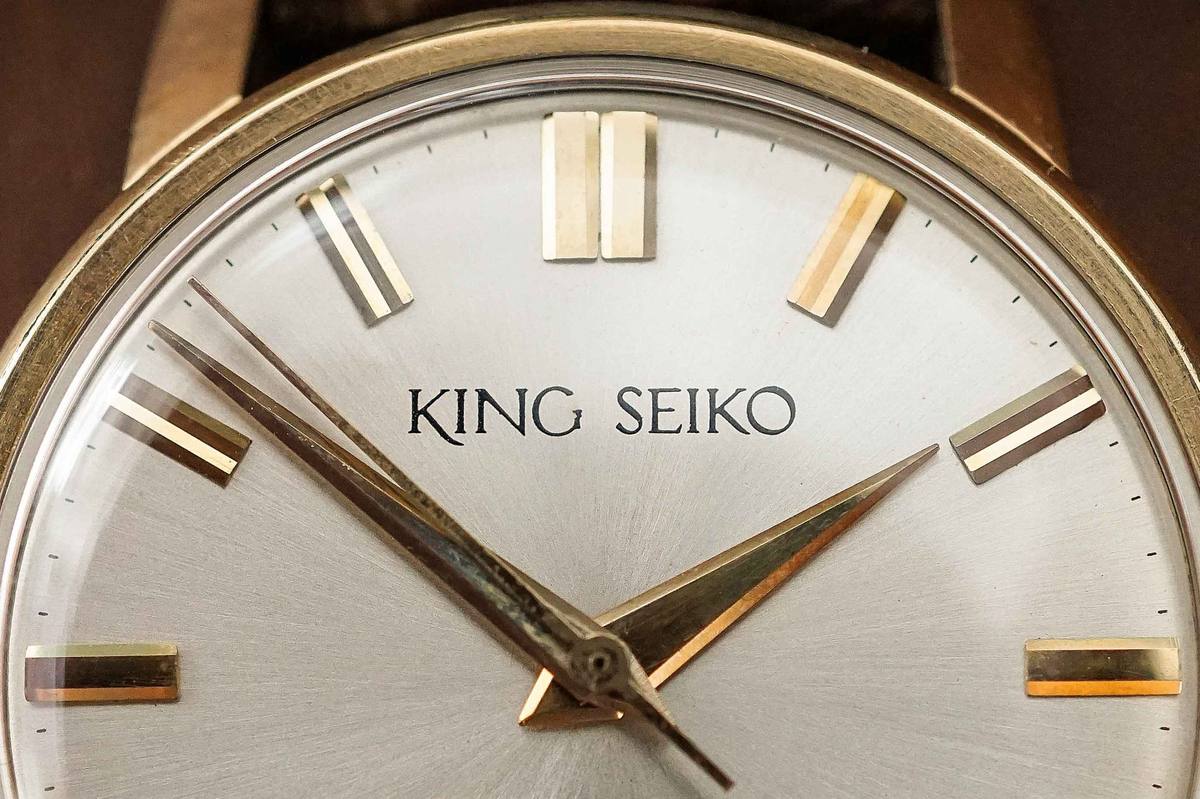
King Seiko produced dials in silver sunburst, champagne, white matte, dark grey, and — rarely — blue. The blue dials on the 56-series are particularly sought after. They were produced in limited numbers for the Japanese domestic market only, and surviving examples with full lume plots and unblemished printing can sell for three times the standard silver variant.
The connection to the grand seiko grammar of design is instructive here. Where Grand Seiko emphasized mirror-flat surfaces, King Seiko took a different path — texture. Linen dials, crosshatch patterns, and concentric circular brushing appeared across multiple references. These textured dials add visual depth that flat dials cannot replicate, and they’ve become a point of differentiation that collectors actively hunt for.
Tropical dials — those that have changed color naturally due to UV exposure and age — represent another premium tier. A silver dial that has turned cream or champagne over fifty years carries a warmth and character that no factory finish can reproduce. Tropical examples of the 44-9990 have sold for over $6,000 at auction in Japan.
One warning: refinished dials are common in the King Seiko market. The original printing used a specific font weight and ink composition. Refinished dials typically show thicker text, inconsistent spacing between characters, and a surface texture that differs from factory originals. Always examine under magnification before purchasing. If the seller cannot provide macro photographs, think twice.
Movement Quality: What Makes King Seiko Calibers Stand Apart
The 44-series hand-wound calibers are the crown jewels of the King Seiko movement lineup. These were designed specifically for chronometer testing, and surviving examples routinely achieve accuracy within +/- 5 seconds per day after a proper service. For a movement designed over sixty years ago, that level of performance is genuinely notable.
The finishing on 44-series calibers includes flat polishing on the bridge surfaces, straight graining on the main plate, and beveled edges on the balance cock. Under a watchmaker’s loupe, these movements look like they belong in watches at several times the price point. The Daini factory applied the same decorative standards to King Seiko calibers that Suwa applied to Grand Seiko — compromise was not an option when factory pride was on the line.
Insight: A full service for a King Seiko 44-series movement costs between $250 and $400 from a specialist. Generic watchmakers unfamiliar with Japanese vintage movements can cause irreversible damage to the delicate hairspring assembly. Always use a specialist who has documented experience with Seiko hi-beat calibers.
The automatic 45-series and 56-series calibers are more common and less expensive to service. They use the Magic Lever winding system — Seiko’s proprietary design that remains in production today. These movements are robust, reliable, and can run for decades between services if worn regularly. For a daily-wear vintage piece, the 56-series offers the strongest balance of durability and collectibility.
Service intervals matter with vintage pieces. Every three to five years, a King Seiko should be opened, cleaned, re-lubricated, and regulated. Neglect doesn’t kill these movements quickly — it kills them slowly, wearing pivot holes, degrading lubricant into abrasive paste, and causing damage that becomes increasingly expensive to reverse.
Case Condition: Reading the Signs
King Seiko cases were made from stainless steel, with some references using gold-capped (SGP) or gold-filled (GF) cases. The steel cases hold up remarkably well, but fifty years of polishing by previous owners can round off the original sharp edges. A case with original, unpolished edges — still showing factory brushing and crisp transitions between surfaces — is worth substantially more than a polished example.
Check the caseback for engravings. Original King Seiko casebacks carry the Daini Seikosha medallion — a stylized shield design. If the medallion is worn smooth or the serial number is illegible, the watch has seen heavy use. This isn’t a deal-breaker by itself, but it should be reflected in the asking price.
The crown is a frequent replacement point. Original King Seiko crowns carry the “KS” logo in raised lettering. Replacement crowns — often plain Seiko crowns — reduce collector value by 10–15%. Finding new-old-stock original crowns is possible through Japanese parts dealers, but expect to pay $80–$150 for genuine examples.
Crystal condition matters less than you might think. Original mineral glass crystals can be replaced with correct-specification aftermarket versions without significantly affecting value. The case and dial are what collectors scrutinize — the crystal is considered a service part.
Browse our curated collection of vintage King Seiko models
Where to Buy: Markets and Pitfalls
Japan remains the primary source for King Seiko models. Yahoo Auctions Japan (through proxy services like Buyee or Jauce) offers the widest selection, but requires experience to navigate. Listings are in Japanese, condition descriptions use different grading conventions than Western markets, and return policies are essentially nonexistent.
Western dealers who specialize in Japanese vintage watches charge a premium — typically 30–50% above Japan domestic prices — but offer authentication guarantees, service histories, and return windows. For a first purchase, this premium buys peace of mind that’s worth the cost. After developing the eye to assess condition from photographs, Japan direct purchases become more viable.
Auction houses including Phillips, Christie’s, and Bonhams have begun including King Seiko references in their Japanese watch lots. This institutional attention validates the collectibility of these pieces and typically drives prices upward for specific references featured in major sales.
Watch forums and collector communities are another source worth monitoring. The Seiko collector community is tight-knit and generally honest about condition issues. Private sales through these channels often produce the best combinations of price and quality, since both buyer and seller understand exactly what they’re trading and have reputations to maintain.
Investment Outlook and Final Thoughts
Three market factors point toward continued price appreciation for King Seiko. First, the modern King Seiko reissue (launched in 2021) has introduced the name to a new generation of buyers, and those buyers inevitably discover the vintage originals. Second, Japanese domestic collectors — who have always been the primary market — are holding their best pieces rather than selling, which tightens supply. Third, international auction results continue to establish new price records for top-condition examples.
The references most likely to appreciate are those with documented provenance, original parts throughout, and unusual dial variations. A standard silver-dial 45-7001 might gain 5–8% annually. A blue-dial 56-9000 with box and papers could gain 15–20%. The 44-9990 in exceptional condition is already in “buy now at any reasonable asking” territory — these are not getting cheaper.
Verdict: King Seiko sits at an inflection point. Prices have risen steadily since 2020, but the best references still trade below comparable Swiss vintage pieces. The gap between King Seiko and Grand Seiko values is narrowing. For collectors who appreciate Japanese horology, mechanical finishing, and the particular character that only decades of aging can produce, these watches represent genuine value — both financially and experientially.
Collecting watches purely as investments misses something important. These are functional mechanical devices designed to be worn and appreciated. A King Seiko on the wrist at dinner, catching the light during conversation, sparking a story with a fellow enthusiast — that has a value no spreadsheet captures. The best vintage watches are the ones you wear, enjoy, and eventually pass along to someone who understands what they’re holding.
Learn about our expertise and approach to vintage collecting
FAQ
What is the difference between King Seiko and Grand Seiko?
King Seiko was produced by Seiko’s Daini Seikosha factory in Tokyo, while Grand Seiko came from the Suwa factory. Both pursued the highest quality levels, but King Seiko leaned toward thinner, dressier designs. The grand seiko grammar of design defines Grand Seiko’s visual philosophy, while King Seiko developed its own distinct language centered on texture, proportion, and surface variation.
Are vintage King Seiko watches reliable for daily wear?
After a proper service by a specialist familiar with Japanese vintage movements, absolutely. The automatic 45- and 56-series calibers are particularly durable. The hand-wound 44-series demands more careful handling — these are precision instruments. Budget $250–$400 for a full service before relying on any vintage King Seiko as a daily wearer.
How can I tell if a King Seiko dial has been refinished?
Check the text printing weight — refinished dials typically show thicker font strokes than originals. Examine the surface under magnification for brush marks or uneven texture. Original King Seiko dials have a specific luster that refinishing cannot replicate perfectly. Compare suspect dials against confirmed-original examples in collector reference databases before committing.
Which King Seiko model is best for a first-time collector?
The 45-7001 makes the strongest entry point. It’s automatic (more practical than hand-wound), sized well for modern wrists at 36.5mm, and priced between $600 and $1,500 for original-condition examples. It delivers a genuine King Seiko experience without the premium attached to rarer 44-series references.
Will King Seiko values continue to rise?
Market indicators suggest yes, particularly for top references like the 44-9990 and unusual dial variants. The modern King Seiko reissue is building broader awareness, Japanese collectors are holding rather than selling, and international auction houses are paying increasing attention. No investment carries guarantees, but supply-demand conditions favor continued appreciation for original-condition pieces with documented provenance.